
Home exercise sheet
Neck pain
Move slowly and stay in a range that feels comfortable. Mild stretch or effort is fine; sharp pain is a signal to stop.
Name:How often:Clinician:
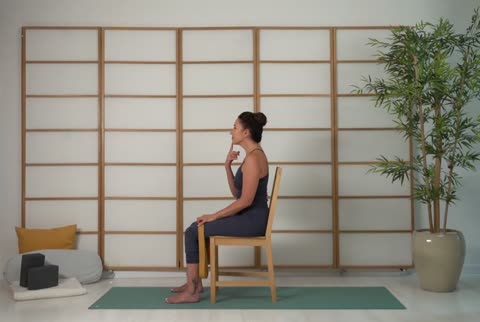
1. Chin tuck
10 seconds, 5 times
- Sit or stand tall, looking straight ahead
- Glide your head straight backwards
- Then release
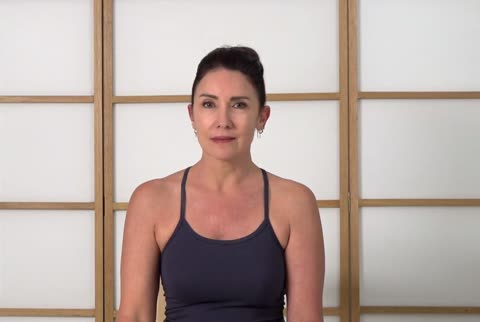
2. Cervical isometric hold
Hold 10 seconds, 5 times, gently
- Sit or stand tall with your chin level
- Place one hand flat against the side of your head
- Press your head into your hand without moving
- Then release slowly
- Repeat at the forehead and the back of the head
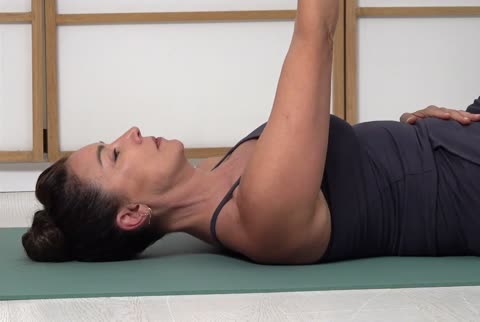
3. Serratus punch
8 to 10 slow reps
- Lie on your back with your knees bent
- Keep the elbow completely straight
- Push the weight straight up toward the ceiling
- Lower back down with control
- Then change arms
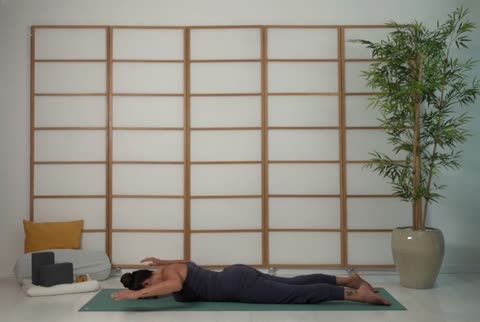
4. Prone T, scapular retraction
8 to 10 slow reps
- Lie face down with your forehead resting
- Take your arms out to the sides at shoulder height
- Draw the shoulder blades together, then lift
- Keep the neck and lower back quiet
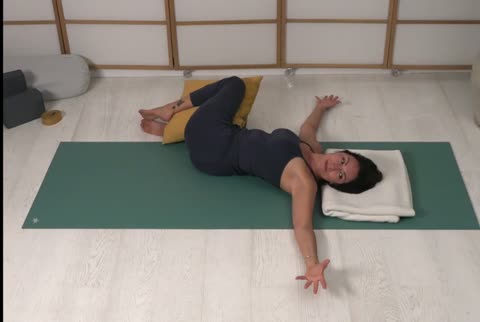
5. Open book
6 each side
- Lie on your side, knees bent up toward your chest, arms out in front
- Open your top arm across your body like a book cover
- Go to the first point of resistance and breathe there
The guidance behind these movements
- Blanpied et al., Neck Pain: Revision 2017, APTA clinical practice guideline (Journal of Orthopaedic and Sports Physical Therapy, 2017). Neck pain is classified into four subgroups; neck and shoulder girdle endurance exercise carries a grade B for the subacute stage of neck pain with mobility deficits, and endurance recurs in the chronic and headache recommendations combined with other treatment.
- Gross et al., exercises for mechanical neck disorders (Cochrane Database of Systematic Reviews, 2015). Combined cervical, shoulder and scapulothoracic strengthening and stretching improved pain and function, while when only stretching exercises were used no beneficial effects may be expected; no high quality evidence was found.