
Home exercise sheet
Shoulder pain
Move slowly and stay in a range that feels comfortable. Mild stretch or effort is fine; sharp pain is a signal to stop.
Name:How often:Clinician:
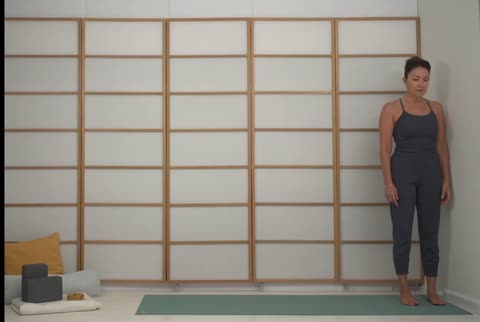
1. External rotation isometric at the wall
Hold 10 seconds, 5 times
- Stand side on to a wall with that elbow bent
- Tuck that elbow in against your side
- Press the back of your hand into the wall
- Then release, then change sides
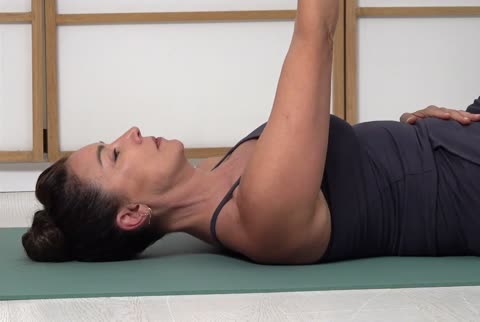
2. Serratus punch
10 reps
- Lie on your back with your knees bent
- Keep the elbow completely straight
- Push the weight straight up toward the ceiling
- Lower back down with control
- Then change arms
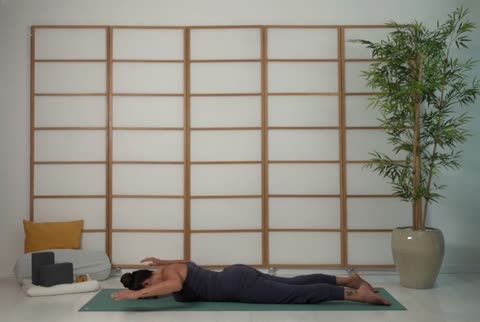
3. Prone T, scapular retraction
8 slow reps
- Lie face down with your forehead resting
- Take your arms out to the sides at shoulder height
- Draw the shoulder blades together, then lift
- Keep the neck and lower back quiet
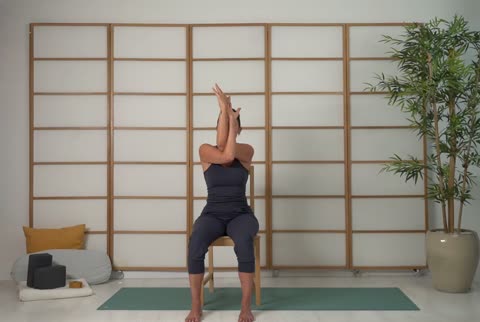
4. Eagle arms
30 to 45 seconds each side
- Sit or stand tall and reach both arms forward
- Cross one arm over the other at the elbows
- Hug yourself instead if the hands do not meet
- Float the elbows a little and widen the back
- Then swap the cross
The guidance behind these movements
- Diagnosing, managing and supporting return to work of adults with rotator cuff disorders, clinical practice guideline (JOSPT 2022). Non-operative care with exercise and education is the recommended first-line management for rotator cuff disorders.
- Efficacy of exercise therapy for rotator cuff related shoulder pain according to the FITT principle, systematic review with meta-analyses (JOSPT 2024). Exercise therapy is effective for rotator cuff related shoulder pain; the review examines frequency, intensity, time and type rather than identifying one superior exercise.
- Update of systematic reviews on conservative physical therapy for subacromial shoulder pain (JOSPT 2020). Exercise therapy carries a strong recommendation as first-line treatment to improve pain, mobility and function in subacromial shoulder pain.