
Home exercise sheet
Piriformis syndrome
Move slowly and stay in a range that feels comfortable. Mild stretch or effort is fine; sharp pain is a signal to stop.
Name:How often:Clinician:
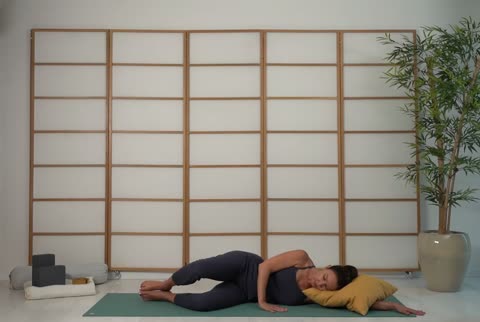
1. Clamshell
10 to 12 each side
- Lie on your side with your knees bent to roughly forty-five degrees
- Keep your feet together and lift the top knee
- Lower with control and repeat
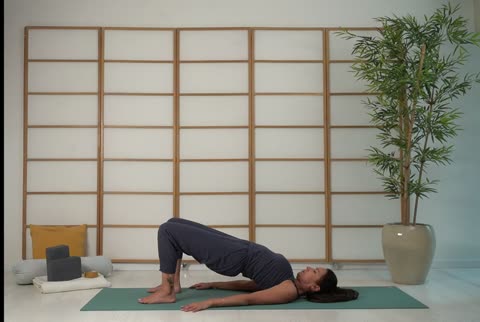
2. Glute bridge
10 slow lifts
- Lie on your back, knees bent, feet flat and about hip-width apart
- Press through your heels and lift your hips
- Lower slowly, one vertebra at a time
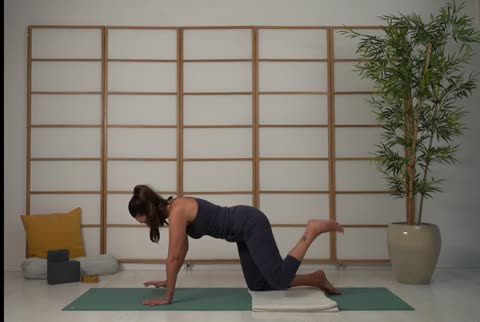
3. Bird-Dog
5 each side
- Set up on hands and knees in a neutral back
- Reach one arm forward and the opposite leg back
- Keep both hips level throughout
- Make the range smaller if the middle wobbles
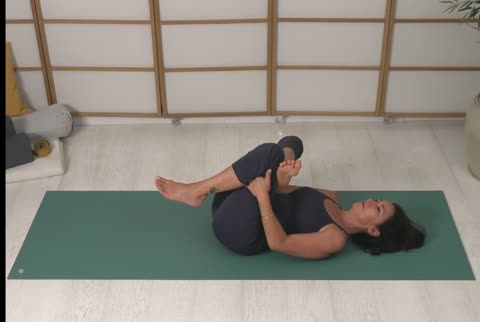
4. Figure 4 stretch
30 seconds each side, gently
- Lie on your back with both knees bent, feet flat
- Reach through and hold behind the supporting thigh
- Draw that thigh gently toward you and hold
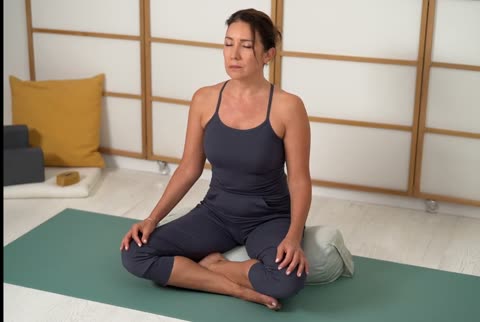
5. Extended exhale breathing
2 minutes
- Settle into any position you can stay in comfortably
- Breathe in through your nose for a count of four
- Breathe out for a count of six to eight
- Let the pause happen at the end of the exhale
The guidance behind these movements
- Treatment of an individual with piriformis syndrome focusing on hip muscle strengthening and movement re-education, case report (JOSPT 2010). Describes management centred on hip muscle strengthening and movement re-education rather than on stretching the piriformis.
- A controlled clinical trial of stretching and compression exercises in chronic low back pain patients with deep gluteal syndrome. Examines stretching and compression exercise in deep gluteal syndrome, the wider name this condition now sits under.
- NICE NG59, low back pain and sciatica in over 16s (2016, updated 29 July 2026). For sciatic symptoms generally, self-management and exercise are the core of care and rest is not recommended.