
Home exercise sheet
Frozen shoulder
Move slowly and stay in a range that feels comfortable. Mild stretch or effort is fine; sharp pain is a signal to stop.
Name:How often:Clinician:
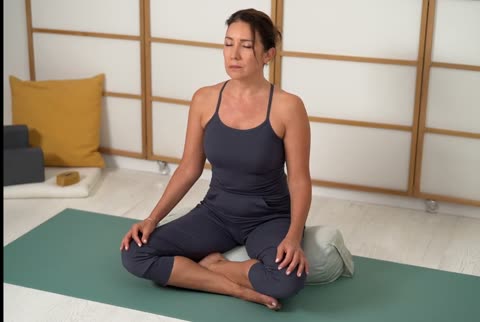
1. Extended exhale breathing
2 to 3 minutes
- Settle into any position you can stay in comfortably
- Breathe in through your nose for a count of four
- Breathe out for a count of six to eight
- Let the pause happen at the end of the exhale
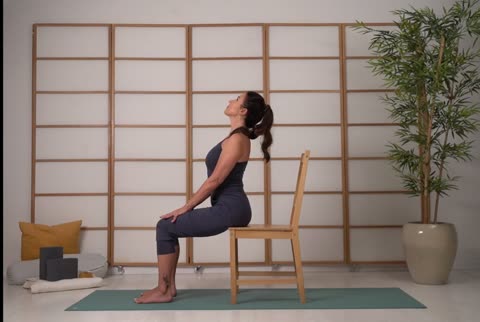
2. Cat-cow, seated chair
8 slow rounds
- Sit forward on the chair with both feet flat
- Rest your hands on your knees
- Breathe in and roll the pelvis forward
- Breathe out and roll the pelvis the other way
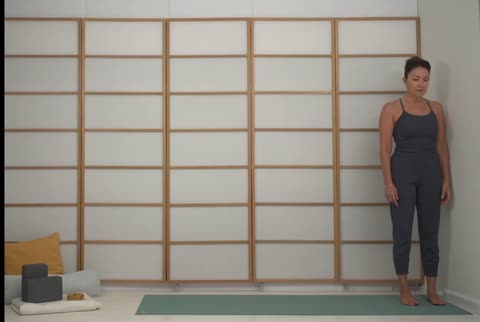
3. External rotation isometric at the wall
Hold 10 seconds, 5 times, gently
- Stand side on to a wall with that elbow bent
- Tuck that elbow in against your side
- Press the back of your hand into the wall
- Then release, then change sides
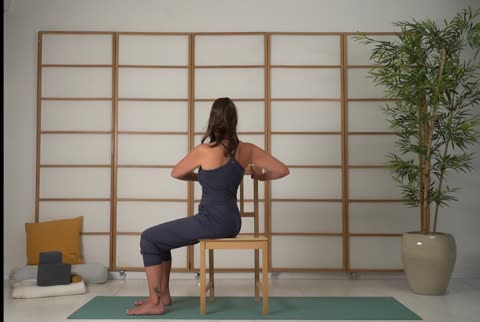
4. Supine twist, seated chair
5 each side, small range
- Sit tall towards the front of the chair
- Turn slowly towards one side from your middle back
- Let your head follow last
- Rest your hands lightly, do not pull yourself round
The guidance behind these movements
- Shoulder Pain and Mobility Deficits: Adhesive Capsulitis, clinical practice guideline, Orthopaedic Section APTA (JOSPT 43(5), 2013). Stages one and two reflect synovitis and stages three and four capsular contracture; high-intensity stretching in the early stages is contraindicated, and intervention intensity is matched to irritability.
- Kelley et al., frozen shoulder: evidence and a proposed model guiding rehabilitation (JOSPT 2009). Proposes matching exercise and manual technique intensity to the patient's irritability level, progressing as irritability reduces.